A Hawk & Peddle Behind the Scenes Look At Unwanted Traffic And Website Security
Running a small creative marketplace comes with many joys. Meeting new makers. Helping sellers launch their ideas. Watching customers discover something they love. But there is also a part of the job that is far less glamorous. The daily dance with unwanted website traffic.
If you run an online business, you will know exactly what I mean. If you do not, let me pull back the curtain on a part of Hawk and Peddle that most people never see. The firewall logs!
Every single day our site is visited by an audience we never invited. Script kiddies trying cross site scripting attacks. XML RPC hunters looking for outdated endpoints to poke at. Crawlers pretending to be browsers. Whole swarms of automated bots that our firewall swats away before they even touch the front door. And then there is the mystery of it all. Why is a small creative marketplace in the UK so enticing to visitors from Singapore, China and Russia. You would think we were hiding national secrets, not selling tote bags, colourful sneakers, hoodies and framed prints.
It is easy to joke about it, but the truth is that this is the world of the modern web. Any site, big or small, gets prodded and poked constantly. The internet is a noisy place full of automated systems looking for weaknesses. Most of them do not care who you are. They just scan everything. If they find a crack, they use it. If they do not, they move on.
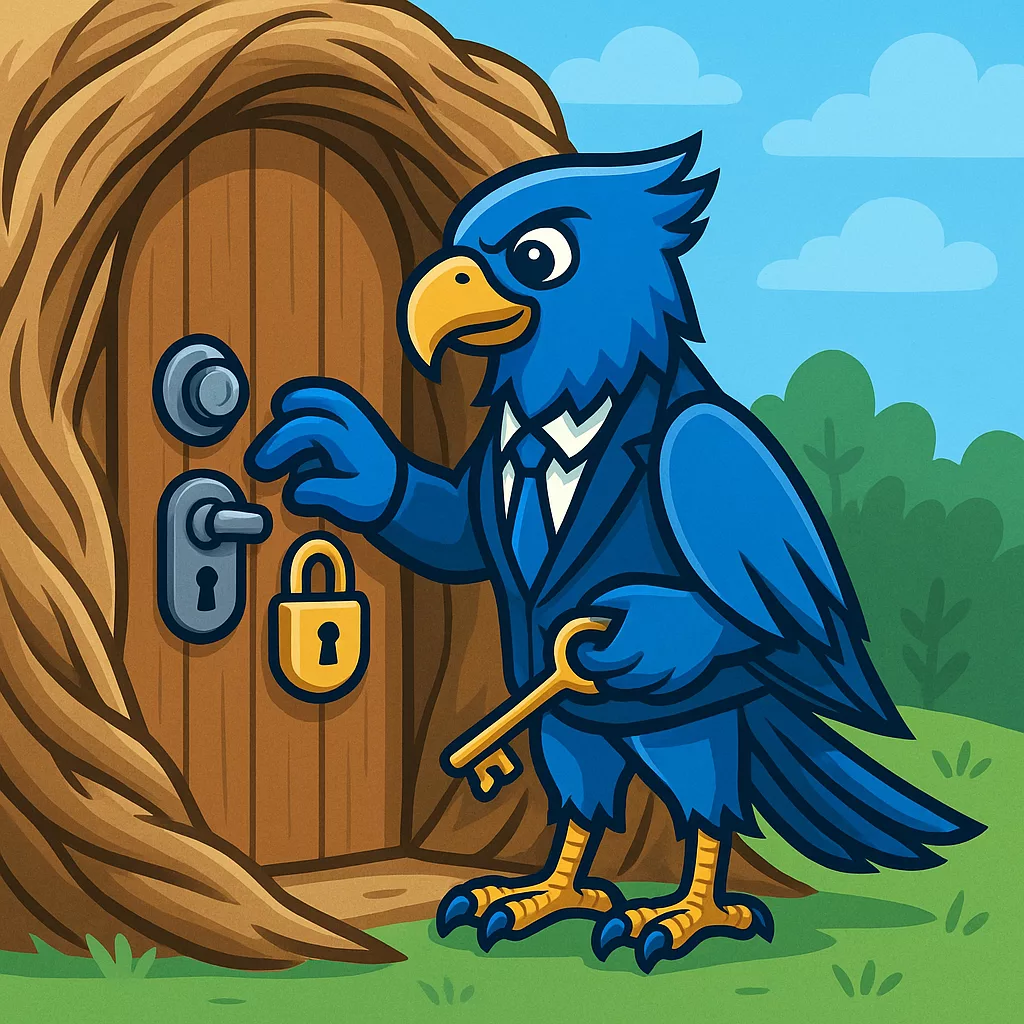
So each morning, before coffee has even worked its way into my system, I check the firewall logs to see who has been knocking overnight. It is a strange habit mixed with a sense of curiosity and responsibility. Who stopped by. What did they try. Did anything look unusual. Are our settings tight enough. Could anything be improved. It is like checking the locks on a house you really care about.
Over time you learn to decipher what is real traffic and what is just noise. Real people move through pages at a human pace. They spend time looking at content. They hover. They click on products. They read blogs. They behave like normal humans navigating a shop. Bots, on the other hand, act like caffeinated insects. Hundreds of requests in seconds. Scans of old WP files that do not exist. Attempts to post to long disabled functions. Fake browser agents. Anything that screams automation.
And this is why security matters so much to us. Hawk and Peddle is still a young and growing business, but that does not mean we take risks lightly. In fact, we take them more seriously. Sellers trust us with their storefronts. Buyers trust us with their transactions. Browsers trust us not to plant something nasty on their devices. Protecting that trust is non negotiable.
Our firewall, our malware scans, our login protections, our backups and our constant vigilance are not optional extras. They are essential layers that keep everyone safe. Even if 90 percent of our blocked traffic is nonsense, the 10 percent that is not makes every protective measure worth it.
Running a marketplace is not just about creativity, products and community. It is also about keeping the digital doors locked and the lights on so everyone who visits can shop, browse and sell with confidence.

Tips For Other Small Businesses Running a Website
If you run your own online shop, side hustle or portfolio site, here are some simple steps that make a big difference.
Keep everything updated
Out of date plugins, themes or software are the easiest way for attackers to get in. Update regularly and delete anything you no longer use.
Install a proper firewall
Even a basic WordPress firewall stops thousands of automated scans. It is one of the most important protections you can have.
Use strong login security
Turn on two factor authentication. Change your default admin username. Use long, unique passwords. Small changes protect you from a huge number of attacks.
Back up your site
If the worst ever happens, a recent backup is the lifeline that saves your business. Schedule automatic backups and store them safely.
Limit who has access
Only give login access to people who genuinely need it. Remove old accounts. Keep permissions tight.
Scan regularly for malware
A weekly scan helps you catch anything suspicious early. Many tools do this automatically.
Use a trusted hosting provider
Look for providers that offer security features, firewalls, and good support. Cheap hosting often comes at a cost to security.
Learn to read basic logs
You do not need to be an expert. Checking your logs helps you spot patterns, unusual behaviour, or repeated attempts from the same IP ranges.
Stay curious
Security is part vigilance, part habit. The more you understand your own site, the easier it becomes to protect it.